
Introduction
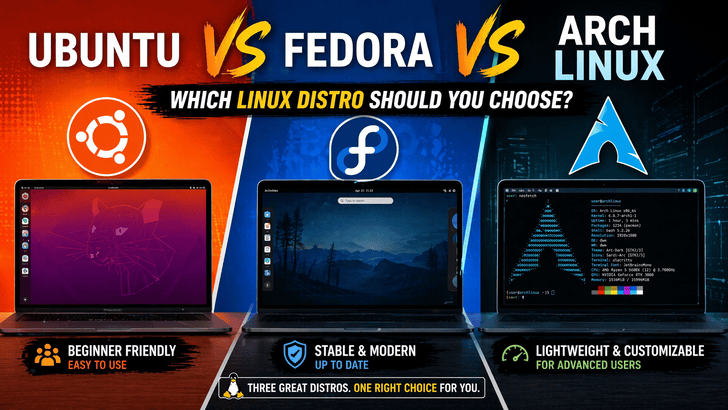
Linux is not a single operating system—it’s a family of distributions, each with its own philosophy. Among hundreds of options, Ubuntu, Fedora, and Arch Linux stand out as the most popular and influential.
Whether you’re a beginner, developer, or power user, choosing the right Linux distro can drastically impact your experience.
In this article, we’ll compare Ubuntu vs Fedora vs Arch based on:
- Ease of use
- Software updates
- Performance
- Developer experience
- Who each distro is best for
What Is a Linux Distribution?
A Linux distribution (distro) combines:
- Linux kernel
- Package manager
- Desktop environment
- System tools
Each distro chooses different defaults, update models, and philosophies.
Ubuntu: The Beginner-Friendly Powerhouse
Overview
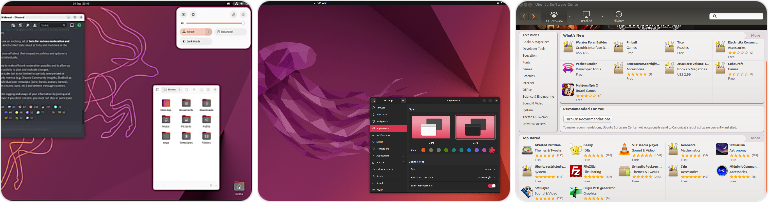
Ubuntu is based on Debian and is the most popular Linux desktop OS.
Strengths
- Very beginner-friendly
- Large community & documentation
- Long-Term Support (LTS)
- Excellent hardware support
Weaknesses
- Slightly heavier than others
- Slower access to newest software (LTS)
Best For
✅ Beginners
✅ Students
✅ Developers
✅ Production servers
Fedora: Cutting-Edge & Developer-Focused

Overview
Fedora is sponsored by Red Hat and acts as a testing ground for enterprise Linux.
Strengths
- Latest software & kernel
- Clean GNOME experience
- Strong security (SELinux)
- Excellent for modern development
Weaknesses
- Shorter release lifecycle
- Requires more frequent upgrades
Best For
✅ Developers
✅ Linux enthusiasts
✅ Cloud & container work
✅ Users wanting new features
Arch Linux: Ultimate Control for Power Users
Overview
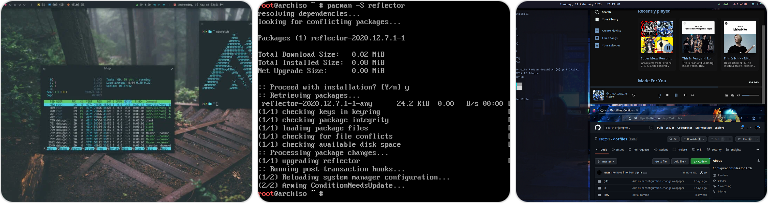
Arch follows a rolling release model and gives users full control.
Strengths
- Always up to date
- Extremely lightweight
- Full customization
- Legendary documentation (Arch Wiki)
Weaknesses
- Steep learning curve
- Manual installation
- Can break if mismanaged
Best For
✅ Advanced users
✅ Linux power users
✅ People who want total control
❌ Not for beginners
Package Management Comparison
| Distro | Package Manager | Model        |
| ------ | --------------- | ------------ |
| Ubuntu | APT             | Stable       |
| Fedora | DNF             | Semi-rolling |
| Arch   | Pacman          | Rolling      |
Performance Comparison
- Arch → Fastest & lightest
- Fedora → Balanced, modern
- Ubuntu → Stable, slightly heavier
Update Philosophy
- Ubuntu: Stability first
- Fedora: Innovation first
- Arch: Latest everything
Ubuntu vs Fedora vs Arch (Quick Table)
| Feature         | Ubuntu 			| Fedora 		| Arch  		|
| --------------- | ------ 			| ------ 		| ----- 		|
| Ease of Use     | ⭐⭐⭐⭐⭐  	| ⭐⭐⭐⭐   	| ⭐     		|
| Customization   | ⭐⭐⭐    		| ⭐⭐⭐⭐   	| ⭐⭐⭐⭐⭐ 	|
| Stability       | ⭐⭐⭐⭐⭐  	| ⭐⭐⭐⭐   	| ⭐⭐⭐   	|
| Latest Software | ⭐⭐⭐    		| ⭐⭐⭐⭐   	| ⭐⭐⭐⭐⭐ 	|
| Learning Curve  | Low    			| Medium 		| High  		|
Which One Should You Choose?
Choose Ubuntu if:
- You’re new to Linux
- You want stability
- You prefer LTS releases
Choose Fedora if:
- You want modern features
- You develop for cloud/containers
- You like clean systems
Choose Arch if:
- You want full control
- You enjoy learning deeply
- You are comfortable fixing problems
Final Verdict
There is no “best” Linux distro—only the right one for your needs.
✔ Ubuntu = Stability & support
✔ Fedora = Innovation & development
✔ Arch = Control & performance